
Chronic stress can feel like a heavy weight. For many, standard treatments like therapy or pills do not always work. This has led to a rise in tools that target the body’s natural “reset button.” The vagus nerve is the main part of your calming system. New tech now allows you to calm this nerve without surgery. These devices help your body switch from “fight or flight” to “rest and digest.”
Understanding Your Vagus Nerve
The vagus nerve is the longest nerve in your body. It starts in the brain and travels down to the gut. It controls your heart rate, breathing, and mood. When this nerve works well, you feel calm. When it is weak, anxiety can take over. Scientists call this “vagal tone.” High vagal tone means your body can bounce back from stress quickly. Low vagal tone is often linked to chronic worry and physical tension. Improving it is key to managing stress.
What is Non Invasive Vagus Nerve Stimulation?
In the past, doctors had to plant a device in a patient’s chest. This required surgery and carried risks. Today, we have non invasive vagus nerve stimulation. These tools send light electrical pulses through the skin. They do not require cuts or hospital stays. You can use them at home or even at work. They work by sending signals to the brain that tell the body to relax.
This technology is a major step forward. You no longer need to visit a surgeon to access neuromodulation. Instead, you can use handheld or wearable units. These devices target specific areas where the vagus nerve is close to the skin. This allows for a safe way to influence your brain’s emotional centers.
The Rise of Wearable Neuromodulation for Stress
Technology is changing how we handle mental health. Wearable neuromodulation for stress is a growing trend. These are small gadgets you wear on your neck or ear. They look like headphones or slim bands. They use tiny electrical currents to change how your nerves fire. This helps lower the physical signs of anxiety, like a racing heart or tight chest.
Many people prefer wearable devices because they are not easily visible. You can wear them during a stressful meeting or while traveling. They provide a constant calming signal. This will keep your nervous system active throughout the day. Over time, your brain learns to stay in a calm state.
Auricular Vagus Nerve Stimulation at Home
A popular method is auricular vagus nerve stimulation at home. In this, a small branch of the nerve present in the ear is targeted. You clip a small electrode to the part of your ear called the tragus. The device sends a gentle tingle through the skin. This is called transcutaneous auricular vagus nerve stimulation.
Many people find this method very easy to use. You can do a session while reading a book or watching TV. It is a simple way to boost your calm during a busy day. Clinical studies show that stimulating this ear branch can lower heart rate and reduce feelings of fear. It is a direct line to the brain’s “off switch” for stress.
Targeting the Neck with Cervical Devices
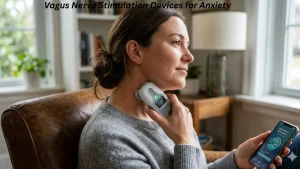
Another option is the cervical vagus nerve stimulation device. This tool is held against the side of the neck. It reaches the main trunk of the vagus nerve. These devices are often used for quick relief. They work fast to slow down a panic response. By stimulating the nerve in the neck, you can quickly lower your stress levels.
The neck is a prime spot for stimulation. The vagus nerve sits just behind the large muscle in your neck. Using a cervical device for just a few minutes can have lasting effects. Many users report feeling a wave of calm wash over them almost immediately.
How It Works: The Cholinergic Anti Inflammatory Pathway
Why does stimulating a nerve help with anxiety? It often involves the cholinergic anti inflammatory pathway. Stress causes inflammation in the body and brain. This can make anxiety worse. It creates a cycle of physical pain and mental distress.
The vagus nerve releases a chemical called acetylcholine. This chemical tells your immune system to stop making inflammatory signals. By using a stimulator, you help clear the “brain fog” and physical tension caused by stress.
- It lowers cytokine levels in the blood.
- It reduces swelling in brain tissues.
- It helps the gut and brain communicate better.
- It protects neurons from damage caused by chronic stress.
Using Parasympathetic Nervous System Devices
The vagus nerve is the star of the parasympathetic nervous system. This is the system that calms you down. Parasympathetic nervous system devices help strengthen this system. Think of it like a muscle. The more you “work out” your relaxation response, the stronger it gets.
Regular use of these tools can make you more resilient to daily stress. Instead of reacting with panic, your body stays grounded. These devices act as a training tool for your nerves. They remind your body what it feels like to be truly at peace.
Heart Rate Variability Biofeedback Devices
Many people use these stimulators along with heart rate variability biofeedback devices. Heart rate variability, or HRV, measures the gap between your heartbeats. A high HRV means your nervous system is flexible and healthy. These devices show you your HRV in real time.
Using biofeedback helps you learn how to control your stress levels on your own.
- You learn to breathe in a way that maximizes your HRV.
- You see the immediate impact of negative thoughts on your heart.
- You track your progress over weeks and months.
- You gain confidence in your ability to calm yourself down.
When you see your numbers go up on the screen, you know you are relaxing. This creates a positive feedback loop in your brain.
Combining Tech with Vagal Tone Exercises for Anxiety
You do not always need a device to help your nerves. Vagal tone exercises for anxiety are free and easy to do. You can try these daily habits:
- Deep Breathing: Inhale for four seconds, hold for two, and exhale for eight.
- Cold Exposure: Splash ice-cold water on your face for 30 seconds.
- Vocalizing: Sing, hum, or chant to vibrate the vocal cords.
- Gargling: Gargle water vigorously every morning.
- Massage: Gently rub the area behind your earlobe or the side of your neck.
These activities stimulate the nerve naturally. Many people use these exercises between device sessions. They help keep your nervous system in balance throughout the day. Combining natural methods with technology provides the best results.
Who Can Benefit from Vagus Nerve Stimulation?
Anxiety takes many forms. VNS devices can help with several conditions.
- Generalized Anxiety: For those who worry about everything.
- Panic Attacks: To stop the physical surge of adrenaline.
- Social Anxiety: To stay calm in crowded or new places.
- Work Stress: To manage high-pressure environments.
- Sleep Issues: To quiet the mind before bed.
By calming the physical body, these devices make it easier to think clearly. When your heart stops racing, your mind can finally find rest.

Safety and Vagus Nerve Stimulator Side Effects
Most people find these devices very safe. However, you should know about vagus nerve stimulator side effects. Most effects are mild and happen only during use.
- Skin redness where the device touches.
- A slight tingling or “pins and needles” feeling.
- A temporary cough or hoarse voice.
- Mild headaches after a long session.
- A metallic taste in the mouth (rare).
Always talk to a doctor before starting. People with heart issues or metal implants should be careful. It is best to start with short sessions and low power. This gives your body time to adjust to the new signals. Most people find that any discomfort goes away after a few days of use.
Comparing Different Device Types
Choosing the right device depends on your lifestyle. Here is a quick comparison:
- Ear Clips: Great for long sessions while sitting down. They are very precise.
- Neck Handhelds: Best for quick, on-the-go relief. They work in just two minutes.
- Neck Bands: Good for continuous wear. They provide hands-free support.
- Desktop Units: Often more powerful but less portable. Good for home clinics.
Think about when you feel most anxious. If it is during a commute, a handheld neck device might be best. If it is while relaxing at night, an ear clip is a great choice.
The Future of Anxiety Relief
The way we treat anxiety is shifting. We are moving away from just using talk or pills. We are starting to use the body’s own wiring. These devices offer a way to take control of your health. They are portable, easy to use, and backed by science.
As the tech gets better, these tools will become even more common. We may see them built into everyday headphones or smart watches. This will make mental health support available to everyone at any time.
If you struggle with stress, look into these options. Whether you choose a neck device or an ear clip, you are helping your body find its way back to peace. Combining tech with healthy habits is a strong path to a calmer life. You deserve to feel safe in your own skin.