
Chronic inflammation can lead to joint pain, fatigue and other health issues. Many people think eating to fight this requires expensive superfoods. This is a myth. You can lower your body’s stress levels with simple, affordable ingredients from any local store. This article covers anti-inflammatory meal prep for beginners using low-cost strategies. You will learn what to buy, how to plan your week and how to stay on budget.
What Is an Anti-Inflammatory Diet?
This way of eating focuses on whole foods that calm the immune system. It swaps processed sugars and refined flours for nutrients that heal. It is not a strict set of rules. Instead, it is a lifestyle. For many, it looks like a Mediterranean diet meal prep for beginners. You prioritize healthy fats, plant proteins and colorful produce.
When your body is in a state of chronic inflammation, your immune system is always “on.” This wears you down. Eating the right foods acts like a “mute” button for that stress. It helps your heart, your brain and your joints. The best part is that you do not need a specialized grocery store to find these items.
Anti-Inflammatory Diet Food List for Beginners
Starting with a solid shopping list helps you avoid impulse buys. Stick to these staples to keep your costs low. Buying these items in their most basic form saves the most money.
- Proteins: Canned wild-caught salmon or sardines (rich in Omega-3).
- Dried lentils and chickpeas (very cheap and high in fiber).
- Eggs (a versatile, low-cost protein).
- Organic tofu or tempeh (great plant-based options).
- Grains: Steel-cut or rolled oats (avoid sugary instant packets).
- Brown rice and quinoa (buy these in bulk bins).
- Buckwheat or 100% whole-grain pasta.
- Vegetables: Frozen spinach and kale (usually cheaper than fresh).
- Carrots, celery, and onions (the base for many soups).
- Broccoli and cauliflower (buy frozen to prevent waste).
- Sweet potatoes (starchy but packed with vitamins).
- Fruits: Frozen berries (blueberries and raspberries are top-tier).
- Apples and oranges (long shelf life).
- Avocados (wait for sales or buy “seconds”).
- Healthy Fats: Extra virgin olive oil (look for glass bottles).
- Walnuts and almonds (buy raw and unsalted).
- Chia seeds and flaxseeds (great for digestion).
- Spices: Turmeric (the king of anti-inflammatory spices).
- Ginger (fresh or dried works well).
- Garlic (buy whole bulbs, not jars).
- Cinnamon (perfect for flavoring oats without sugar).
The Secret to Budget Meal Prep
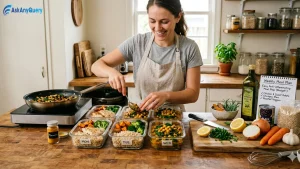
Meal prep saves you time and money. When you prepare food in advance, you are less likely to buy fast food. Start by “batch cooking” your base items. For example, boil a large pot of brown rice and roast two pans of vegetables on Sunday. This gives you a head start for the next few days.
Why Prepping Works for Beginners
If you are tired after work, you will likely reach for something processed. Processed foods often contain seed oils and high fructose corn syrup. These ingredients trigger inflammation. If you already have a bowl of roasted sweet potatoes and beans in the fridge, dinner takes five minutes. You save money by not ordering takeout and you save your health by avoiding additives.
Anti-Inflammatory Snack Ideas for Beginners
Snacking is often where healthy habits fail. Having ready-to-eat options prevents you from grabbing chips or cookies. Try these cheap and easy ideas:
- Apple slices with cinnamon: Cinnamon helps manage blood sugar.
- Roasted chickpeas: Drain a can of chickpeas, toss in olive oil and turmeric, and bake until crunchy.
- Hard-boiled eggs: A great source of protein that stays fresh in the fridge for a week.
- Chia seed pudding: Mix chia seeds with water or unsweetened almond milk and let it sit overnight.
- Greek yogurt with frozen berries: Berries are packed with antioxidants.
- Hummus and carrot sticks: A classic high-fiber snack that keeps you full.
- Handful of raw walnuts: These contain alpha-linolenic acid which fights inflammation.
7-Day Anti-Inflammatory Meal Plan PDF (Conceptual Outline)
While you can download a full 7-day anti-inflammatory meal plan pdf online, here is a simple structure to follow. This plan uses “cook once, eat twice” logic to keep things easy.
| Day | Breakfast | Lunch | Dinner |
| Mon | Oats with berries | Quinoa and chickpea salad | Baked salmon with broccoli |
| Tue | Greek yogurt | Leftover salmon salad | Lentil and vegetable stew |
| Wed | Oats with berries | Leftover lentil stew | Turmeric chicken and rice |
| Thu | Avocado toast | Chickpea wrap | Leftover chicken and rice |
| Fri | Berry smoothie | Spinach and egg bowl | Black bean and sweet potato chili |
| Sat | Veggie scramble | Leftover bean chili | Baked cod with asparagus |
| Sun | Oats with apples | Mediterranean grain bowl | Roasted vegetable pasta |
How to Use This Plan
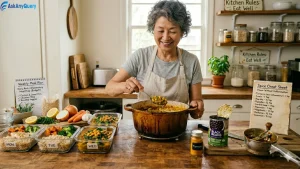
On Sunday, cook a big batch of lentils and a big batch of rice. Roast a large tray of assorted vegetables like peppers, onions, and broccoli. This “base” can be mixed with different proteins throughout the week. This variety prevents “meal prep boredom” without requiring you to cook every single night.
Anti-Inflammatory Dinner Recipes for Weight Loss
Eating to reduce inflammation also supports healthy weight management. These recipes are high in fiber, which keeps you full. They also use spices that boost your metabolism.
- Sheet Pan Turmeric Chicken and Veggies
This is the ultimate prep meal. It is low in carbohydrates and high in protein, making it one of the best anti-inflammatory dinner recipes for weight loss.
- Ingredients: 1 pound chicken thighs, 3 carrots, 1 broccoli, 2 tablespoons olive oil, 1 tablespoon turmeric.
- Steps: 1. cut the vegetables into small pieces. 2. Keep chickens and vegetables on a large baking sheet. 3. Sprink the olive oil from above. 4. Sprinkle salt, pepper and plenty of turmeric powder. 5. Bake for 25-30 minutes at 400°F until the fully ripening of the chicken.
- Why it works: Curcumin is found in turmeric. This compound blocks the enzymes that cause inflammation and pain in the body.
- One-Pot Red Lentil Soup
Pulses (Lentils) are one of the cheapest sources of protein in the world. They are rich in fibre, which aids in digestion and weight loss.
- Ingredients: 1 cup red lentils, 1 onion, 2 cloves garlic, 1 inch fresh ginger, 4 cups vegetable broth.
- Steps: 1. Sauté onions and garlic in a pot with a little water or oil. 2. Grate the fresh ginger into the pot. 3. Add dried red lentils and vegetable broth. 4. Simmer for 20 minutes until the lentils are soft and creamy. 5. Season with a squeeze of lemon juice before serving.
- Why it works: Ginger is a natural anti-inflammatory that settles the stomach and reduces muscle soreness.
- Sweet Potato and Black Bean Chili
This hearty meal is perfect for cold nights. It provides a slow release of energy so you don’t crash.
- Ingredients: 2 large sweet potatoes, 1 can black beans, 1 can crushed tomatoes, chili powder, cumin.
- Steps: 1. Peel and cube the sweet potatoes. 2. Combine potatoes, beans, and tomatoes in a large pot. 3. Add 2 cups of water and your spices. 4. Simmer on medium-low for 35 minutes until potatoes are tender.
- Why it works: Sweet potatoes provide beta-carotene, which the body turns into Vitamin A. This is vital for a healthy immune system.
In-Depth Tips for Success
- Master Your Freezer
Frozen fruits and vegetables are picked at their peak ripeness. They are flash-frozen to lock in nutrients. Often, they are more nutritious than “fresh” produce that has sat on a truck for a week. They are also much cheaper. Keep bags of frozen berries, spinach, and mixed veggies in your freezer at all times.
- Buy Store Brands
Do not pay for fancy labels. Basics like extra virgin olive oil, canned beans, and dry grains are usually the same across brands. Always check the bottom shelf at the grocery store. That is where the budget-friendly versions are usually hidden.
- Focus on Hydration
Inflammation can be worsened by dehydration. Drink plenty of filtered water. If plain water is boring, try herbal teas. Ginger tea or green tea is excellent choices. They contain polyphenols that further help reduce internal stress. Avoid sugary “fitness drinks” or diet sodas.
- Keep it Simple
You do not need to be a chef. A simple piece of protein (like eggs or salmon) with a side of steamed greens and a small portion of brown rice is a perfect meal. Don’t overcomplicate your recipes. The fewer ingredients you use, the easier it is to track what makes you feel good.
- Listen to Your Body
Everyone is different. Some people find that nightshade vegetables (like tomatoes or eggplant) trigger their pain. Others feel fine eating them. Keep a simple food diary for the first two weeks of your journey. Note how you feel after each meal.
Final Thoughts
Healing your body through food does not require a huge bank account. By focusing on the anti-inflammatory diet food list for beginners, you can eat well on a budget. Use these anti-inflammatory dinner recipes for weight loss to feel better and stay lean.
Meal prepping may seem difficult in the beginning, but it gets easier every week. Start small by prepping just your lunches. When you feel comfortable with it, start preparing breakfast or snacks. Your body will be grateful to you for the nutritious food it constantly receives. Remember, the goal is progress, not perfection. Choose whole grains over processed foods, and you’re on the right track.
Frequently Asked Questions (FAQ)
Q: What is the best anti-inflammatory food for beginners?
A: Leafy vegetables like spinach and kale can be the best start. They are inexpensive, can be easily included in any meal and are rich in vitamins.
Q: Can I eat coffee on an anti-inflammatory diet?
A: Yes! Black coffee contains antioxidants. Just don’t put heavy cream or refined sugar in it, as they can cause inflammation.
Q: Is frozen food okay for an anti-inflammatory diet?
A: Absolutely. Frozen fruits and vegetables are an affordable way to get high-quality nutrients, and they don’t go bad either.
Q: How long does it take to see results?
A: Most people feel a change in their energy levels within 1 to 2 weeks. Joint pain and skin issues may take 4 to 6 weeks to show significant improvement.
Q: Is the Mediterranean diet the same as an anti-inflammatory diet?
A: They are very similar. The Mediterranean diet is a specific regional way of eating that naturally focuses on anti-inflammatory foods like fish, olive oil, and plants.